

Winterizing a home requires a strategic approach that goes beyond simply turning up the thermostat. When temperatures drop, the fundamental infrastructure of a house endures immense operational stress. Preparing Your Heating & Plumbing Systems for Winter is not just a recommended chore, but a critical safeguard against catastrophic mechanical failures. Addressing these systems ensures that your home remains safe, efficient, and comfortable throughout the harshest months of the year.
Many property owners treat their water and climate control systems as entirely separate entities. However, these systems are deeply interconnected when it comes to overall energy consumption and structural integrity. A failure in one area, such as a freezing pipe near a poorly insulated air duct, often cascades into a multi-system disaster. Taking proactive steps in the fall will protect your property and stabilize your monthly utility expenses.
The Importance of Home Maintenance Before the Freeze
The transition from autumn to winter places peak demand on both your plumbing and HVAC infrastructure. As the heating unit works continuously to maintain indoor warmth, your water heater must simultaneously expend more energy to raise the temperature of the colder incoming municipal water. This dual strain makes Preparing Your Heating & Plumbing Systems for Winter a necessary strategy for preventing untimely breakdowns. Ignoring routine maintenance leaves these vital appliances vulnerable to the compounding wear and tear of cold weather operations.
Understanding this relationship helps homeowners prioritize their seasonal checklists. For instance, cold air drafts do not just force your furnace to work harder. Those same drafts can easily drop the ambient temperature in a basement or crawlspace to below freezing, putting exposed plumbing lines at immediate risk. By addressing drafts and insulation, you are simultaneously lowering your heating bill and protecting your water lines.
How Cold Weather Stresses Interconnected Systems
Thermodynamics dictate that heat naturally moves toward cold spaces. If a home is not properly sealed, the furnace must run longer cycles to replace the thermal energy lost through the building envelope. This continuous cycling accelerates mechanical wear on blower motors and heat exchangers. At the same time, the plumbing system faces thermal contraction, where metal pipes shrink slightly and joints become highly susceptible to pressure leaks.
Guarding the Plumbing Infrastructure Against Freezing
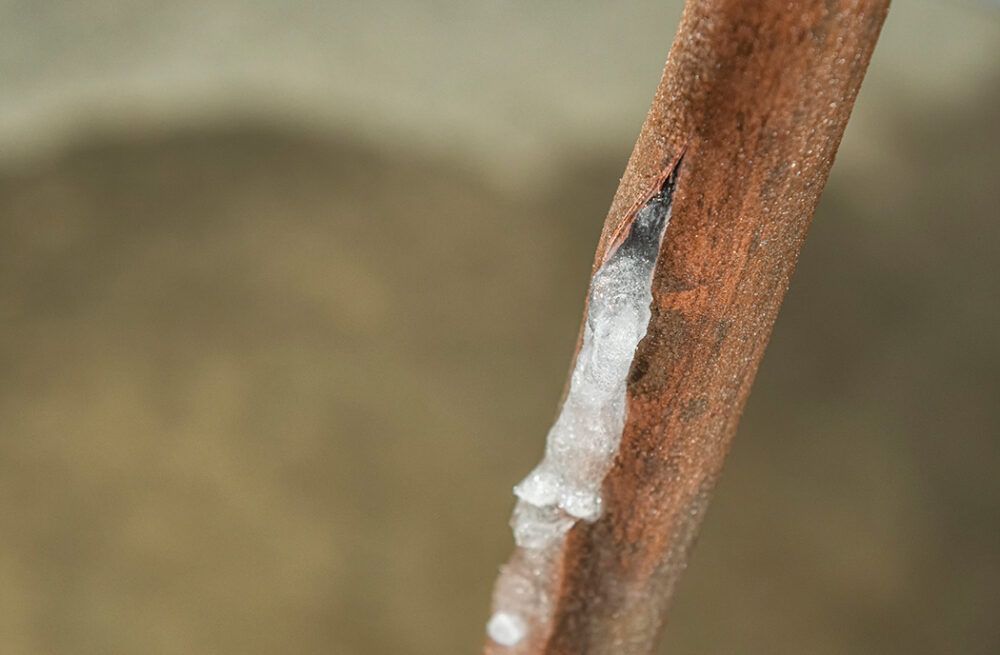
One of the most destructive forces in a residential property is freezing water. When water transitions into ice, it expands by roughly nine percent, generating tens of thousands of pounds of pressure per square inch. This physical expansion easily ruptures copper, galvanized steel, and PVC piping. Once the ice thaws, the compromised pipe will unleash hundreds of gallons of water into the home walls and subflooring.
To prevent this, homeowners must systematically locate and insulate every exposed water line in unheated areas. Foam pipe insulation is highly effective at slowing the transfer of heat away from the water sitting inside the pipes. Additionally, exterior hose bibs must be disconnected, drained, and covered with insulated caps before the first frost arrives.
Pipe Insulation and Draft Elimination
Applying foam insulation is only half of the protective equation. The other half involves sealing the physical gaps in the home foundation and siding that allow freezing wind to hit the plumbing directly. Expanding spray foam or heavy-duty caulk should be used to close gaps around basement windows, dryer vents, and utility penetrations. This dual-layered approach of insulation and draft elimination is the most effective way to secure a plumbing system against winter temperatures.
Water Heater Optimization: The Critical Annual Flush
The water heater is the unsung hero of the winter months, providing hot water for showers, dishwashing, and laundry. However, as water is heated, dissolved minerals like calcium and magnesium naturally separate and settle at the bottom of the tank. Over time, this creates a thick layer of hardened sediment that sits directly between the heating element and the water itself. This sediment acts as an insulator, forcing the burner to run longer and hotter to achieve the desired water temperature.
Preparing Your Heating & Plumbing Systems for Winter requires addressing this hidden inefficiency. When a water heater is bogged down by sediment, its recovery time plummets, leaving you with lukewarm water on cold mornings. Furthermore, the trapped heat at the bottom of the tank can cause the steel to warp, crack, or rust, ultimately leading to premature tank failure and potential flooding.
Eradicating Sediment Buildup for Peak Efficiency
Flushing the water heater annually is the standard industry protocol for eradicating this mineral buildup. The process involves attaching a heavy-duty hose to the drain valve at the base of the tank and safely routing the water to a floor drain or exterior driveway. Opening the valve allows the pressure to push the loose sediment out of the tank. Performing this maintenance restores the heating efficiency, maximizes the hot water capacity, and significantly extends the operational lifespan of the appliance.
Maximizing Heating Efficiency: Ductwork and Air Flow
A high-efficiency furnace is functionally useless if the delivery system is compromised. The ductwork acts as the circulatory system of your home, and leaks in this system can result in up to a thirty percent loss of conditioned air. When hot air escapes into unfinished attics or crawlspaces, the living areas remain cold, and the thermostat continues to demand heat. This continuous demand drives up utility bills and puts unnecessary strain on the heating equipment.
Inspecting the ductwork is a vital component of seasonal maintenance. Homeowners should look for disconnected joints, crushed flexible ducts, or peeling tape around the main supply trunk. Repairing these defects ensures that the warm air reaches its intended destination without being wasted in the walls or ceilings.
Sealing Ducts to Prevent Heat Loss
Standard cloth duct tape is actually inadequate for sealing HVAC systems because the adhesive dries out and flakes off under continuous heat. Instead, mastic sealant or specialized foil-backed HVAC tape should be used to permanently seal the joints. Properly sealed air ducts work in tandem with pipe insulation to keep overall energy costs low while maintaining an optimal indoor climate.
Professional Solutions from Martinelli Plumbing, Heating & Air Conditioning
While homeowners can easily handle basic insulation and visual inspections, complex machinery requires professional oversight. Properly calibrating a furnace burner, testing a heat exchanger for carbon monoxide leaks, or safely diagnosing a failing water heater involves specialized diagnostic tools. When Preparing Your Heating & Plumbing Systems for Winter, partnering with a certified professional ensures that every component is strictly evaluated for safety and performance. This eliminates the guesswork and provides true peace of mind before the freezing weather arrives.
The experts at Martinelli Plumbing, Heating & Air Conditioning offer comprehensive solutions designed to fortify your home against winter weather. Our technicians provide thorough Furnace & A/C Tune-Ups to maximize your heating output and reduce the risk of mid-winter breakdowns. We also specialize in routine A/C & Heating Maintenance, ensuring your blower motors, ignition systems, and safety switches are operating flawlessly.
On the plumbing side, our team is fully equipped to handle everything from preventative maintenance to emergency interventions. We perform expert Water Heater Repair & Replacement to eliminate sediment issues and restore your hot water supply. Should the extreme cold cause a critical issue, our Emergency Plumbing and Water Line Repair & Replacement services are available to mitigate the damage and quickly restore the integrity of your home infrastructure.
Do not wait for a freezing night to discover that your furnace or pipes are failing. Take action now to secure your comfort and protect your property. For professional assistance and comprehensive seasonal maintenance, visit our contact page. You can also schedule an appointment directly by calling our dedicated service team at (609) 239-2930.
Frequently Asked Questions (FAQs)
Proactive winterization prevents minor inefficiencies from turning into catastrophic failures during extreme weather. It ensures that your furnace runs at peak efficiency to keep utility costs low, while simultaneously protecting vital water lines from freezing, expanding, and causing severe water damage to your property.
Industry professionals recommend flushing a traditional tank-style water heater at least once a year. If you live in an area with hard water, you may need to perform this maintenance every six months to prevent severe mineral and sediment buildup from destroying the heating elements.
The most effective strategy is to insulate all exposed pipes in unheated areas like basements, crawlspaces, and attics using high-quality foam tubing. Additionally, sealing cold air drafts around the foundation and keeping the interior thermostat set to a consistent temperature prevents the ambient air near the pipes from dropping below freezing.
You should schedule a professional tune-up every fall before you turn the heating system on for the first time. A certified technician will clean the burners, test for dangerous carbon monoxide leaks, and verify that the electrical components are safe, ensuring reliable operation all winter long.
Yes, leaking ductwork can account for a massive loss of conditioned air, forcing your heating system to run significantly longer to warm the living spaces. By professionally sealing these leaks with mastic or foil tape, you ensure all the generated heat reaches your rooms, which directly lowers your monthly energy bills.
Protect Your Home with Martinelli Plumbing, Heating & Air Conditioning
Prepare your home before the cold weather hits. From freezing pipes to struggling heating units, Martinelli Plumbing, Heating & Air Conditioning delivers complete winter maintenance to keep your system running safely and efficiently. Contact our team today to safeguard your home this winter.
From comprehensive water testing and hard water filtration system installations to Water Leak Detection & Repair, Water Line Repair & Replacement, and Water Heater Repair & Replacement, our licensed professionals have supplied trusted home services for decades.
Contact Our Expert Team Today:
Direct Line: (609) 239-2930
Contact Martinelli Plumbing, Heating & Air Conditioning
Website: martinelliplumbing.com
Take control of your water quality today and safeguard your home for years to come!