

As the vibrant colors of autumn fade and winter approaches, property owners must shift their focus toward seasonal structural maintenance. The transition into colder months brings unique challenges, particularly concerning the integrity of household mechanical systems. One of the most critical maintenance tasks for any homeowner is learning exactly how to protect your outdoor plumbing from freezing temperatures. Neglecting this essential seasonal chore can lead to catastrophic water damage, exorbitant utility bills, and immense structural repair costs. By understanding the vulnerabilities of your exterior water lines, you can proactively safeguard your home against the harsh elements of winter.
The Physics of Freezing Pipes and Water Expansion
To effectively prevent winter plumbing disasters, it is helpful to understand the basic physical science of how water behaves when temperatures drop. Unlike most substances that contract as they get colder, water expands by nearly ten percent when it transitions from a liquid to a solid state. This expansion creates an incredible amount of internal pressure within enclosed spaces. When water freezes inside a residential pipe, this expanding ice acts as a powerful hydraulic jack.
The pressure generated by freezing water is often too immense for standard copper, PVC, or galvanized steel pipes to withstand. Interestingly, the pipe usually does not burst exactly where the ice blockage forms. Instead, the expanding ice pushes the remaining liquid water toward closed faucets or interior valves, resulting in an extreme buildup of pressure that eventually ruptures the pipe wall. Understanding this dynamic highlights why bleeding the pressure from your lines is so critical.
Why Hose Bibs Are Highly Vulnerable
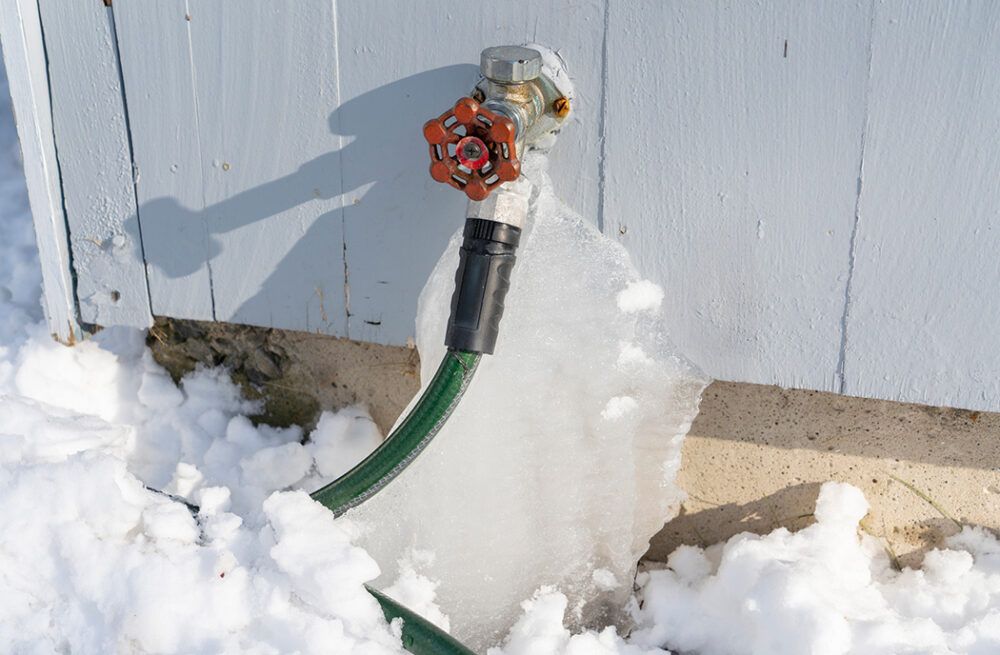
Outdoor faucets, commonly referred to as hose bibs or sillcocks, serve as the frontline between your home's heated interior and the freezing exterior climate. Because they are exposed directly to the elements, these fixtures are highly susceptible to rapid temperature drops. Wind chill and overnight frosts can freeze the water sitting directly behind the spigot in a matter of hours. Once the water at the exterior bib freezes, the ice can easily travel backward into the wall cavity of your home.
How to protect your outdoor plumbing from freezing temperatures
Preparing your property for freezing conditions does not require advanced mechanical skills. With a few basic tools and an hour of your time, you can secure your exterior fixtures against the cold. Following a systematic approach is the best method for how to protect your outdoor plumbing from freezing temperatures year after year.
Step 1: Disconnect All Garden Hoses
The very first and most important step in winterizing your exterior plumbing is removing all attached hoses. A connected garden hose prevents the hose bib from draining properly. If water remains trapped inside the hose, it will freeze and push directly into the spigot, compromising the internal valve. Always disconnect, drain, and store your garden hoses in a garage or shed well before the first hard freeze of the season.
Step 2: Locate and Close Interior Shut-Off Valves
Most modern homes are equipped with interior shut-off valves dedicated specifically to the exterior water supply. These valves are typically located in basements, crawlspaces, or utility closets, often situated just a few feet away from where the outdoor pipe exits the foundation. You must locate these interior valves and turn them to the fully closed position. This action completely cuts off the supply of water from the heated portion of your house to the exposed outdoor spigot.
Step 3: Drain the Remaining Water
Closing the interior valve is only half the battle. You are still left with water trapped in the pipe between the interior shut-off and the exterior spigot. You must go back outside and open the hose bib completely. Allow all the trapped water to trickle out until the line is completely dry. Leave the exterior spigot in the "open" position throughout the winter to ensure that any residual moisture has room to expand without creating pressure.
Step 4: Install Insulated Faucet Covers
For an added layer of security, installing thermal faucet covers is highly recommended. These inexpensive devices are typically made from dense styrofoam or insulated fabric and fit snugly over the exterior spigot. They work by trapping the ambient heat radiating from your home's foundation and blocking freezing wind currents. Utilizing these covers is an excellent final step in mastering how to protect your outdoor plumbing from freezing temperatures.
Identifying the Warning Signs of Frozen and Burst Pipes
Despite your best efforts, extreme weather anomalies or hidden drafts can still cause internal freezing. Recognizing the early warning signs of a frozen pipe can save you from a major flood. If you turn on a faucet during a cold snap and only a slight trickle emerges, you likely have a frozen blockage somewhere in your plumbing network. Frost accumulating on exposed interior pipes is another massive red flag.
If you suspect a pipe is frozen, you must act quickly. Keep the affected faucet open to allow pressure to escape as the ice melts. You can carefully apply heat to the exposed pipe using a hair dryer, a space heater, or electrical heating tape. Never use an open flame, such as a blowtorch, to thaw a pipe, as this presents a severe fire hazard and can boil the trapped water, causing an explosive rupture.
Professional Winterization with Martinelli Plumbing, Heating & Air Conditioning
If you are wondering how to protect your outdoor plumbing from freezing temperatures but feel uncomfortable navigating your home's internal valve systems, professional assistance is highly recommended. Sometimes, older homes lack dedicated interior shut-off valves, or the existing valves are corroded and stuck in place. When DIY methods fall short, the experts at Martinelli Plumbing, Heating & Air Conditioning are here to secure your home.
We provide comprehensive winterization services and advanced Water Leak Detection & Repair to identify hidden vulnerabilities before they escalate into disasters. If a freeze does catch you off guard, our rapid-response Emergency Plumbing teams are available to mitigate the damage. From stopping active leaks to performing full Water Line Repair & Replacement, our licensed technicians restore the safety and functionality of your household infrastructure with precision.
Secure Your Home for the Winter Season
Do not let a frozen hose bib cause thousands of dollars in structural water damage this winter. If you need assistance winterizing your home or require immediate emergency repairs, contact our trusted professionals today.
Call Martinelli Plumbing, Heating & Air Conditioning at (609) 239-2930 or visit our contact page to schedule a seasonal inspection.
Frequently Asked Questions (FAQs)
The easiest method involves three main steps. You must disconnect all attached garden hoses, locate and close the internal shut-off valve supplying the outdoor fixture, and open the outside spigot to drain any remaining water trapped in the line.
Yes, even frost-proof sillcocks require some preparation. While they are designed to keep water further back inside the heated envelope of the house, leaving a hose connected will still trap water inside the fixture. You must always disconnect hoses from frost-proof bibs before winter arrives.
Water freezes at 32 degrees Fahrenheit, but outdoor pipes usually require sustained ambient temperatures of 20 degrees Fahrenheit or lower to freeze solid. However, high wind chills can accelerate this process, making exposed pipes vulnerable even slightly above that 20-degree threshold.
If your internal shut-off valve is corroded or incredibly difficult to turn, do not force it. Forcing a brittle valve can snap the handle or cause a massive leak inside your home. You should contact a licensed plumber to safely replace the faulty valve.
Protect Your Home with Martinelli Plumbing, Heating & Air Conditioning
Your plumbing system should bring reliable comfort to your home—not frozen lines, sudden bursts, or costly winter water damage. If you are experiencing low water flow during a freeze, uninsulated pipes in unheated spaces, or want to prevent catastrophic pipe bursts before cold weather strikes, let the expert team at Martinelli Plumbing, Heating & Air Conditioning inspect and safeguard your home.
From emergency frozen pipe thawing and rapid pipe repair to comprehensive winterization audits, insulation upgrades, and preventative plumbing inspections, our licensed professionals have supplied trusted home services for decades.
Contact Our Expert Team Today:
Direct Line: (609) 239-2930
Contact Martinelli Plumbing, Heating & Air Conditioning
Website: martinelliplumbing.com
Take control of your home’s plumbing safety today and protect your property from winter damage for years to come!