

As the autumn foliage drops and freezing temperatures begin to settle in, property owners must shift their focus toward seasonal mechanical maintenance. The transition into colder months brings unique challenges for residential climate control systems. A failing heating system during a blizzard is more than a mere inconvenience, as it poses serious safety risks and can lead to secondary property damage like frozen pipes. Implementing proactive furnace tips for winter is the most effective way to guarantee consistent warmth and energy efficiency.
Heating a home accounts for a massive portion of annual utility expenditures. When a forced-air system operates with dirty components or restricted airflow, it consumes significantly more fuel to produce the same amount of heat. Understanding the basic physical science of how these systems operate allows homeowners to recognize early warning signs of mechanical wear. By following a structured approach to winter preparation, you can optimize performance and extend the lifespan of your expensive heating equipment.
The Mechanics of Winter Heating and Airflow
At the core of every gas or oil furnace is the heat exchanger, a highly critical metallic component responsible for transferring thermal energy safely into your living spaces. When the thermostat signals for heat, the system's burners ignite and heat these internal metal chambers. Simultaneously, a heavy-duty blower motor pulls cold air from your home through the return ducts and pushes it across the exterior of the hot heat exchanger. The newly heated air is then distributed through the supply vents to warm your rooms.
The separation between the combustion chamber and the breathable air in your home is absolute. If a heat exchanger develops a crack due to age or thermal stress, dangerous combustion gases can mix with your indoor air supply. This mechanical boundary highlights exactly why maintaining proper airflow is vital to the health of the entire unit. Without adequate cool air blowing across the metal to absorb the heat, the system will rapidly overheat and suffer catastrophic damage.
How Restricted Airflow Damages Heat Exchangers
Restricted airflow is the leading cause of premature furnace failure. When air cannot move freely through the system, the heat exchanger absorbs too much thermal energy and expands beyond its design limits. Over time, this constant cycle of overheating and subsequent rapid cooling causes the metal to fatigue, warp, and eventually crack. A cracked heat exchanger is generally considered a fatal diagnosis for a furnace, requiring an expensive total system replacement.
Beyond structural damage, restricted airflow forces the blower motor to work significantly harder just to circulate air. This added mechanical resistance draws excess electricity and can cause the motor to overheat and burn out completely. Identifying and eliminating airflow restrictions is the most important preventative measure a property owner can take before the freezing weather arrives.
Essential Furnace Tips for Winter Efficiency
Preparing your property for freezing conditions does not require advanced mechanical engineering skills. With a few basic tools and a careful, methodical approach, you can secure your heating infrastructure against the cold. Following a systematic checklist is the best way to apply these furnace tips for winter year after year.
Step 1: Optimize Your Air Filtration Strategy
The very first and most critical step in winterizing your heating system is inspecting and replacing the primary air filter. The filter acts as the frontline defense against airborne debris, protecting both your lungs and the sensitive internal components of the blower motor. A clogged filter acts exactly like a wall, suffocating the system and triggering the overheating cycle detailed earlier. Property owners should replace standard one-inch fiberglass filters every thirty days during the peak heating season.
When selecting a new filter, it is important to pay attention to the MERV rating, which measures the density of the filtration media. While a higher MERV rating catches smaller particles like pet dander and pollen, it also restricts airflow more aggressively. You must strike a balance between indoor air quality and mechanical efficiency by consulting your manufacturer specifications. Generally, a pleated filter with a MERV rating between seven and eleven offers optimal performance for residential systems.
Step 2: Calibrate and Upgrade Thermostats
Your thermostat serves as the central brain of your climate control infrastructure. If it is improperly calibrated or located in a drafty hallway, it will send inaccurate signals to your heating equipment, causing short-cycling or wasted fuel. One of the most effective furnace tips for winter is to verify that your thermostat is reading the room temperature accurately. You can easily test this by taping a standard glass thermometer to the wall next to the digital unit and comparing the readings after fifteen minutes.
If you are still relying on an outdated manual thermostat, upgrading to a programmable or smart model is a highly recommended winter preparation step. Programmable thermostats allow you to establish customized heating schedules, dropping the temperature while you are asleep or away at work. This simple technological upgrade can reduce your winter heating costs by up to ten percent annually without sacrificing any daily comfort.
Step 3: Inspect and Clear Vents and Registers
Even with a brand new filter and a perfectly calibrated thermostat, your system will struggle if the heated air cannot actually enter your rooms. Take the time to walk through your entire home and inspect every single supply and return register. It is incredibly common for homeowners to accidentally block these vital airflow pathways with heavy furniture, area rugs, or thick winter curtains. Ensure there is at least two feet of unobstructed clearance around every vent.
Additionally, you should remove the covers and vacuum any accumulated dust, pet hair, or small debris that may have fallen inside the ductwork over the summer. While vacuuming the surface registers is a great DIY task, heavily contaminated ductwork may require a professional deep cleaning to restore optimal indoor air quality. Keeping these pathways clear ensures balanced air pressure throughout the home.
Advanced Troubleshooting and Safety Checks
While airflow management is critical for efficiency, verifying the safe operation of the combustion process is essential for your family's health. Modern furnaces are equipped with numerous automated safety switches designed to shut the system down if a malfunction occurs. Familiarizing yourself with these basic components can help you identify minor issues before they require a costly emergency service call.
Verifying Ignition and Flame Sensor Health
Older systems may rely on a standing pilot light, while modern units utilize electronic ignition modules to start the combustion process. If you have a pilot light, verify that the flame is burning a crisp, bright blue. A yellow or flickering orange flame indicates incomplete combustion and a potential carbon monoxide hazard. For electronic systems, listen for the distinct clicking sound of the igniter when the thermostat calls for heat.
A common culprit for a furnace that ignites but shuts down a few seconds later is a dirty flame sensor. This small metallic rod sits directly in the path of the burner flame and tells the computer board that a fire is successfully lit. If the sensor is coated in carbon buildup, it cannot detect the heat and will shut the gas valve as a safety precaution. While gently cleaning this rod is possible for handy homeowners, accessing it often requires opening the sealed burner compartment.
Testing Carbon Monoxide and Smoke Detectors
Because gas and oil heating systems produce harmful exhaust gases, monitoring your indoor air environment is non-negotiable. Carbon monoxide is an invisible, odorless, and tasteless gas that can be fatal if inhaled in high concentrations. A cracked heat exchanger or a blocked exhaust flue can easily send this dangerous gas directly into your living spaces.
Before turning your heating system on for the first time this season, you must test every carbon monoxide and smoke detector in your home. Press the test button on each unit to verify the alarm sounds loudly, and replace the backup batteries immediately. Detectors should be installed on every level of the home and placed specifically outside of all sleeping areas to ensure maximum safety.
Securing Professional Winter Reliability with Martinelli Plumbing, Heating & Air Conditioning
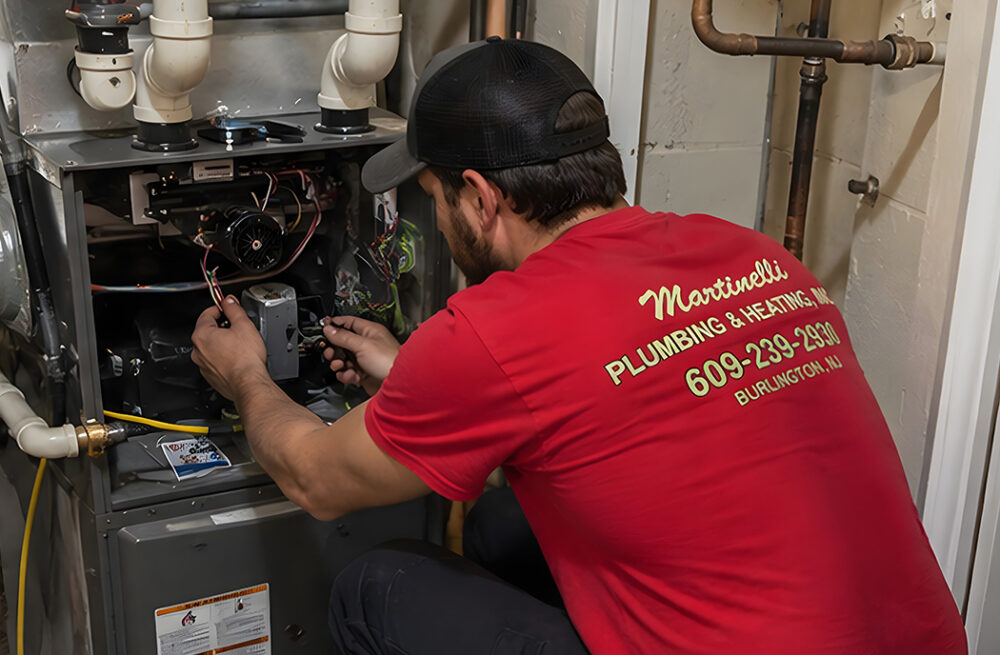
While applying basic DIY furnace tips for winter is excellent for daily efficiency, certain mechanical tasks must be left to licensed professionals. Accessing internal burner compartments, measuring gas manifold pressure, and inspecting heat exchangers for hairline cracks require specialized diagnostic tools and rigorous safety training. When DIY maintenance reaches its limits, Martinelli Plumbing, Heating & Air Conditioning is ready to secure your home.
We provide comprehensive Furnace & A/C Tune-Ups designed to calibrate your equipment, clean internal sensors, and identify hidden vulnerabilities before they escalate into mid-winter disasters. If our diagnostics reveal severe safety hazards or failing components, our experts seamlessly transition into precise Furnace Repair to restore functionality. For aging units that are no longer cost-effective to fix, we offer top-tier Furnace Installation & Replacement to maximize your long-term energy savings.
Schedule Your Professional Heating Inspection Today
Need more furnace tips for winter or just want an Expert take care of this important appliance? Do not wait for a complete system breakdown to realize your furnace is struggling. Ensure your family stays warm, safe, and comfortable all winter long by trusting our certified professionals. Call Martinelli Plumbing, Heating & Air Conditioning directly at (609) 239-2930 or visit our contact page to book your comprehensive seasonal tune-up.
Want to see plumbing tips, reviews from satisfied customers and more? Be sure to Follow our Facebook page.
Frequently Asked Questions (FAQs) for Furnace Tips for Winter
The most important steps involve optimizing your system's airflow and verifying safety monitors. You must change your air filter regularly, ensure all room vents are completely unobstructed by furniture, and test your carbon monoxide detectors before the system runs for the first time.
During peak heating season, standard one-inch fiberglass or pleated filters should be inspected and replaced every thirty days. If you have pets, live in a dusty environment, or run the system continuously, you may need to replace them even more frequently to prevent airflow restrictions.
It is perfectly normal for a furnace to emit a slight burning odor the very first time it runs in the autumn. This smell is simply the accumulation of summer dust burning off the internal heat exchanger. The odor should dissipate completely within the first hour of operation.
A yellow, lazy, or flickering pilot light indicates incomplete combustion, meaning the gas is not mixing with enough oxygen. This is a serious safety concern that can lead to excessive carbon monoxide production. You should shut off the system and contact a licensed professional immediately.
Yes, annual professional maintenance is highly recommended by all major equipment manufacturers. A professional tune-up involves cleaning sensitive ignition sensors, measuring electrical voltage, and inspecting the heat exchanger for dangerous cracks, which are tasks that go far beyond standard DIY filter changes.
Keep Your Home Warm with Martinelli Plumbing, Heating & Air Conditioning
Your heating system should bring dependable warmth and peace of mind to your home—not unexpected breakdowns, strange noises, or rising energy bills. If your home isn't heating evenly, your system is blowing cold air, or you want to ensure your heater runs safely all season long, let the expert team at Martinelli Plumbing, Heating & Air Conditioning inspect and optimize your unit.
From 24/7 emergency furnace repairs and thorough safety inspections to seasonal tune-ups, filter replacements, and high-efficiency system upgrades, our licensed HVAC professionals have supplied trusted home services for decades.
Contact Our Expert Team Today:
Direct Line: (609) 239-2930
Contact Martinelli Plumbing, Heating & Air Conditioning
Website: martinelliplumbing.com
Take control of your home’s heating reliability today and enjoy worry-free comfort all winter long!